Minor and Major Car Servicing
For small and medium businesses relying on vehicle fleets, downtime isn't just an inconvenience—it's a financial crisis. When a service vehicle breaks down unexpectedly, you're not only paying for emergency repairs, but you're also losing revenue, disappointing clients, and potentially damaging your reputation.
Many business owners underestimate how quickly these costs compound. A single day of downtime for a delivery van, tradesperson's ute, or service vehicle can cost hundreds of dollars in lost productivity and emergency repair fees. Over a year, unplanned breakdowns can add 20-30% to your total fleet maintenance budget.
The solution isn't reactive repair—it's structured preventative maintenance. By catching problems early through regular servicing, you avoid the cascade of costly failures that inevitably follow neglect.
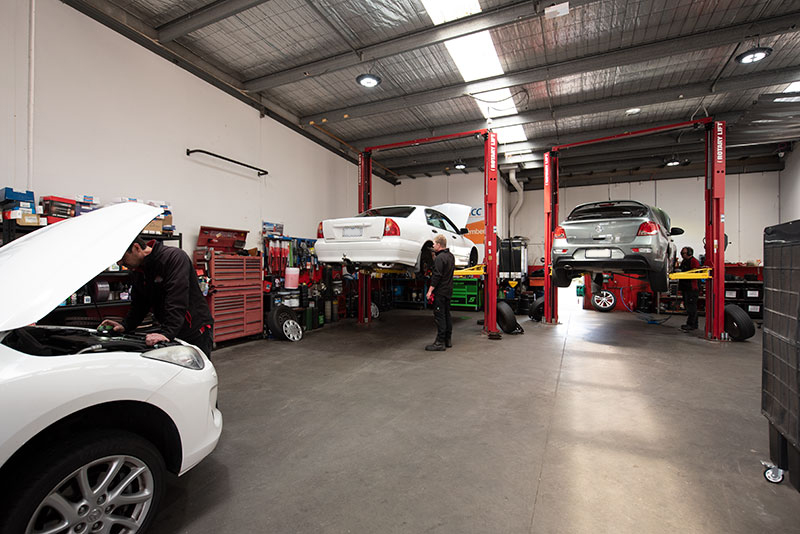
A structured maintenance schedule is the foundation of fleet reliability. Rather than waiting for problems to develop, preventative maintenance addresses potential issues before they become emergencies. This includes regular oil changes, fluid top-ups, brake inspections, and suspension checks tailored to your fleet's usage patterns.
For businesses in the Frankston region operating in mixed urban and regional conditions, seasonal variations also matter. Winter brings moisture and corrosion risks, while summer heat stresses cooling systems and air conditioning. A maintenance calendar that accounts for these seasonal factors ensures your fleet performs consistently year-round.
Modern fleet management involves documenting every service, recording mileage intervals, and scheduling upcoming maintenance before it's due. This approach transforms maintenance from a burden into a predictable business expense you can budget for accurately.
Beyond routine servicing, proactive mechanical inspections catch wear before it becomes failure. Regular checks of brakes, steering, suspension, cooling systems, and electrical components reveal problems when they're still minor and affordable to fix. A $200 brake pad replacement is far cheaper than a catastrophic brake failure requiring a complete system overhaul.
Transmissions, exhausts, and engine components also benefit from regular inspection. Early detection of transmission fluid degradation, exhaust corrosion, or engine bearing wear prevents expensive failures that can sideline vehicles for weeks. Air conditioning systems, often overlooked until they fail completely, perform better with regular servicing and refrigerant checks.
Fleet managers in Seaford, Carrum Downs, and Frankston who commit to quarterly or bi-annual inspections typically reduce emergency repairs by 60-70%, translating directly to improved cash flow and vehicle availability.
Managing a fleet's maintenance schedule is time-consuming, and without specialist knowledge, it's easy to miss critical service intervals or overlook emerging issues. Local automotive businesses serving the Frankston region understand the specific demands placed on commercial fleets operating in this area, from coastal salt spray affecting vehicle longevity to the wear patterns caused by mixed city and regional driving.
Choosing a maintenance partner who offers comprehensive fleet management services—including coordinated scheduling, transparent reporting, and multi-location support across Seaford, Carrum Downs, and Frankston—simplifies the process significantly. These specialists can manage cooling systems, transmissions, electrical diagnostics, brakes, steering, suspension, air conditioning, exhausts, and windscreen repairs under one relationship.
A dedicated fleet maintenance partner also provides flexibility; they'll work around your operational needs, minimizing downtime by scheduling services during your quieter periods or arranging loan vehicles when major work is necessary.